我们正在推出 GPT‑5.6 系列模型,继有限预览后全面开放:我们的新旗舰 Sol,以及适用于日常工作的均衡模型 Terra,还有最具成本效益的模型 Luna。
GPT‑5.6 Sol 在智能和效率方面树立了新标准,在编程、知识工作、网络安全和科学领域取得了最先进成果,同时以更少的 token 和更低的预估成本超越了之前及竞争性的前沿模型。结果是每美元性能更强:相同花费下完成更多成功工作,或以更低总成本获得可比结果。我们还引入了一种加速最繁重任务的新方式:ultra 是我们的最高能力设置,协调多个智能体跨并行工作流,更快完成复杂任务。更强的计算机使用能力和设计判断力使 GPT‑5.6 Sol 成为我们迄今为止最精良的协作伙伴,帮助其检查、优化并交付可直接使用的结果。
我们训练了 GPT‑5.6,使其每个 token 都能产生更多有用工作。在 Agents’ Last Exam(在新窗口中打开) 上,这是一项涵盖 55 个领域的长期专业工作流评估,GPT‑5.6 Sol 以 53.6 分创下新高,比 Claude Fable 5(自适应推理)高出 13.1 分。即使在中等推理水平下,它也以约四分之一的预估成本,比 Fable 5 高出 11.4 分。这种效率延伸到更小的模型,这对于让智能更丰富、更实惠至关重要:GPT‑5.6 Terra 和 GPT‑5.6 Luna 以约十六分之一的成本超越 Fable 5。在 Artificial Analysis Intelligence Index(在新窗口中打开) 上,这是一项广泛衡量智能的指标,涵盖智能体工作、编程、科学推理和通用能力,GPT‑5.6 Sol 在最大推理下与 Fable 5 相差不到 1 分,同时完成任务时间减少 61%,预估成本约减半。
GPT‑5.6 推出了我们迄今为止最强大的安全防护措施,旨在抵御坚决且适应性的滥用,同时不广泛限制合法工作。在全面开放前,我们通过结合人类红队测试和大规模自动化测试,对模型和安全措施进行了最广泛的评估期。在预览期间,我们与专家组织和可信合作伙伴密切合作,在更广泛发布前对防御措施进行压力测试并加强安全措施。由此产生的系统将训练到模型中的保护层与实时检查、监控和根据信任与风险校准的访问相结合。
GPT‑5.6 Sol 是我们迄今为止最好的编程模型。在 Artificial Analysis Coding Agent Index 上,GPT‑5.6 Sol 在最大推理下以 80 分创下新最先进水平,比 Fable 5 高出 2.8 分,同时使用不到一半的输出 token,耗时不到一半,成本约低三分之一。这一优势贯穿整个系列:Terra 略高于 Fable 5,而 Luna 超越 Opus 4.8;每个模型耗时约三分之一,输出 token 约一半,预估成本约四分之一。它还在 Terminal‑Bench 2.1 和 DeepSWE 上创下新最先进结果,这些测试涉及复杂命令行工作流和真实代码库中的长期工程。
Artificial Analysis Coding Agent Index: 一个独立的编程智能体性能指数,涵盖实现、终端使用和真实代码库。
GPT‑5.6 可以编写和运行轻量级程序,协调工具、处理中间结果、监控进度,并在工作展开时选择下一步行动。这使得工具密集型任务能够以更少的 token、更少的模型往返和更少的指导推进。无需开发者编写每一步脚本或将每个工具响应传回模型,程序化工具调用(在新窗口中打开) 在 Responses API 中可以过滤大量中间数据,只保留重要内容,并沿途调整工作流。
对于值得投入更多时间和计算资源的问题,GPT‑5.6 可以超越这种高效默认设置。max 给 GPT‑5.6 比 xhigh 更多时间来推理和探索替代方案、运行检查并修正方法。ultra 更进一步,默认协调四个并行智能体,以更高的 token 使用换取更强结果和更快的任务完成时间。下图比较了 ultra 的默认四智能体设置与单智能体基线在 BrowseComp、SEC-Bench Pro 和 Terminal-Bench 2.1 上的表现;BrowseComp 和 SEC-Bench Pro 还显示了 16 智能体配置。在所有三项评估中,添加并行智能体将分数-延迟边界向左上方移动,在更短时间内达到更强结果。在 API 中,开发者可以使用 Responses API 中的多智能体(在新窗口中打开) 测试版构建类似 ultra 的体验。4, 5, 6
1 of 11
GPT‑5.6 在设计判断力上实现了阶跃式提升。仅凭高层指导,GPT‑5.6 就能创建美观、符合人体工程学且功能性的界面。其更强的计算机使用能力使其能够检查并优化渲染结果——而不仅仅是生成底层代码或内容——从而在交回工作前捕捉视觉和功能问题并应用润色。
GPT‑5.6 的前端能力还能将自然语言请求转化为 ChatGPT Work 中精良的交互式解释和可视化。
GPT‑5.6 为专业任务提供更好的结果。它能从你的文档和日常工作流(如 Slack、Notion、Microsoft 365 和 Google Drive)中提取混乱的上下文,并将其转化为专家级、可共享的工件。
GPT‑5.6 在知识工作方面的优势体现在涵盖长期专业分析、浏览、工具使用和计算机使用的评估中。GPT‑5.6 Sol 在 BrowseComp 上以 92.2% 的成绩创下新最先进结果,在 OSWorld 2.0 上以 62.6% 的成绩创下新最先进结果;在 OSWorld 上,它超越 Opus 4.8,同时使用减少 85% 的输出 token。在这里,每美元性能的提升贯穿 GPT‑5.6 系列。Luna 以不到一半的预估成本几乎达到 GPT‑5.5 的峰值性能,而 Terra 以更低成本超越它。
BrowseComp:GPT‑5.6 Sol 在 BrowseComp 上创下新最先进结果,该测试包含智能体浏览任务。
GPT‑5.6 Sol 提升了演示文稿、文档和电子表格的质量, 生成的输出更加精炼和准确。它可以从头开始创建完全可编辑的演示文稿,将提示和源材料转化为连贯的视觉叙事,并具备出色的布局、层级和设计。
在遵循模板和参考演示文稿时,改进尤为显著。 GPT‑5.6 能够推断演示文稿的设计系统——包括布局、排版、间距、颜色和重复出现的内容模式,以及幻灯片母版中嵌入的规则——并将这些规范一致地应用于新材料。在此示例中,当要求根据参考文件更新数字时,GPT‑5.5 的输出缺少母版幻灯片中的关键组件,而 GPT‑5.6 则更忠实地遵循了参考结构。
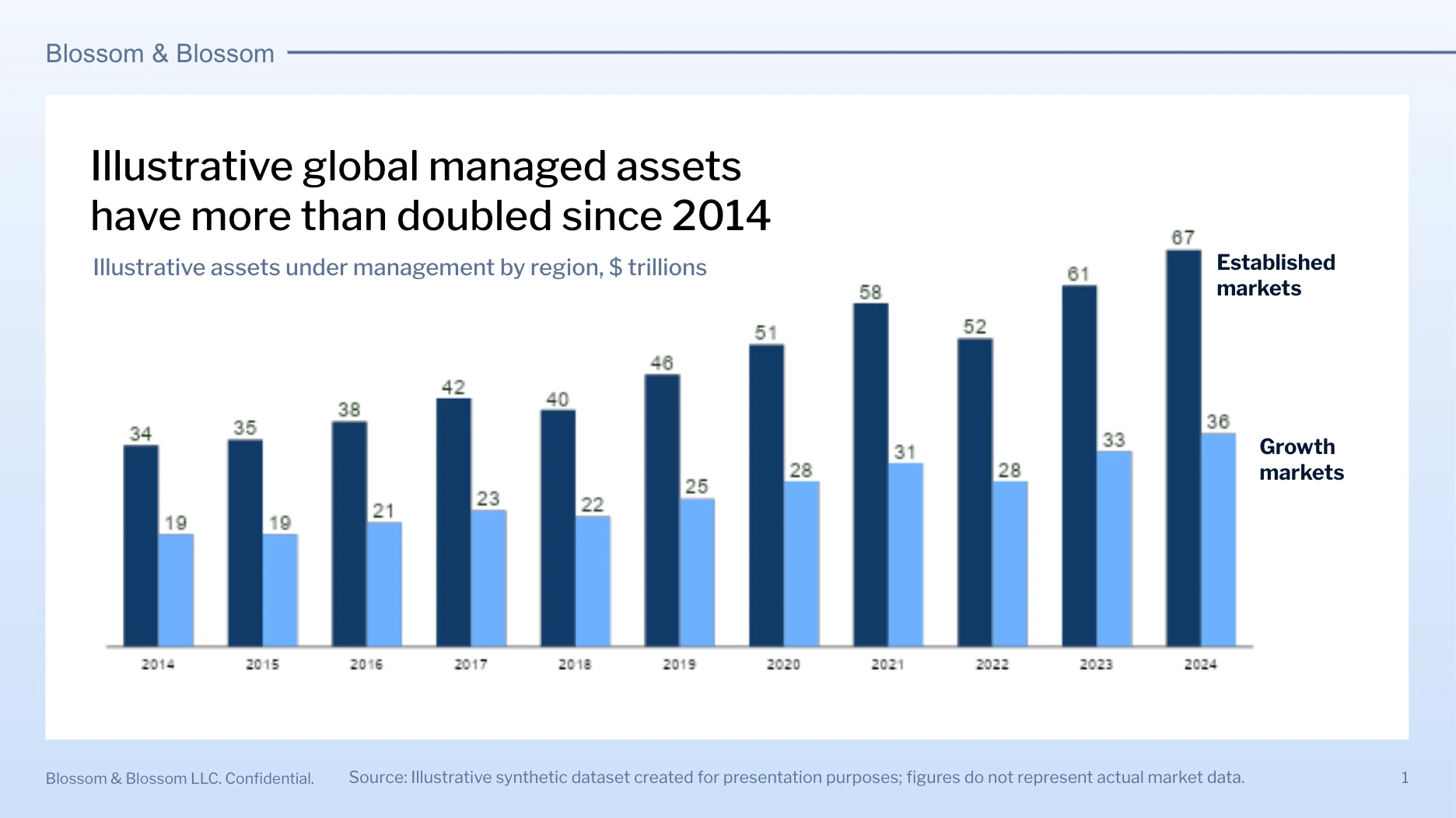
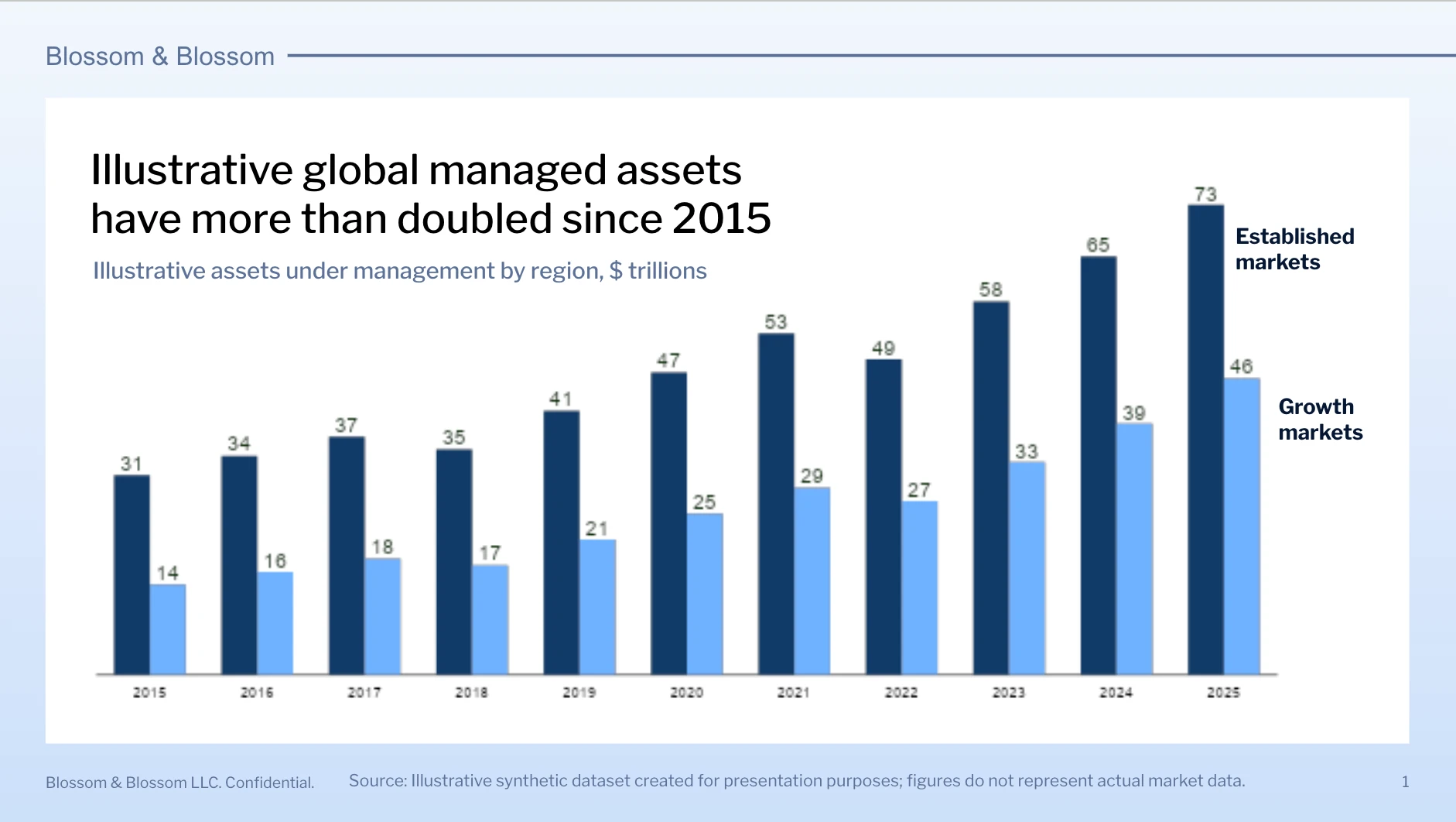
GPT‑5.6 还能创建视觉上更精致的文档和电子表格。它能更忠实地遵循复杂的参考格式,这对于可重复的知识工作活动至关重要。它能更精确地处理方程和财务模型,并更好地利用排版、间距、层级以及页面或工作表布局。
Pinecrest Research Partners | Blossom Co. (BLSM) | 首次覆盖
请参阅本报告末尾的重要披露 1
股权研究 | 非必需消费品-专业零售与数字商务 2026年7月8日
Pinecrest Research Partners LLC
Blossom Co. (纳斯达克: BLSM)
经常性组合与配送密度创造盈利拐点——首次覆盖,给予“增持”评级
评级:增持(首次覆盖)| 目标价 34.00 美元 | 上次收盘价(2026年7月7日)27.40 美元
隐含目标价上涨空间:+24.1%
市场数据
市值
24.7亿美元
企业价值
23.1亿美元
净现金/(债务)
1.53亿美元
稀释后流通股数
9000万股
自由流通量
约88%
90天平均日交易量
120万股
52周价格区间
18.20美元 - 31.60美元
股息收益率
不适用(无股息)
过去12个月净资产收益率
12.1%
财政年度结束日
12月31日
上市/指数
纳斯达克 / 罗素2000
报告货币
美元
来源:Pinecrest Research Partners;收盘价序列截至2026年7月7日。罗素2000指数以2025年7月8日为基准设为100。
执行摘要
我们首次覆盖 Blossom Co.(“Blossom”或“BLSM”),给予“增持”评级和34美元的目标价,意味着较上次收盘价有约24%的上涨空间。Blossom 是一个技术驱动的优质鲜花、礼品和订阅平台,结合了专有个性化、九个区域准备中心以及约280家经过认证的本地工作室。我们认为 Blossom 正在从一个以节日为导向的在线花店转变为一个更高频次的礼品平台,经常性会员和企业服务提升了收入可见性、客户生命周期价值和配送密度。
我们的投资论点基于三点:
• (1) 收入质量正在改善。会员、订阅和企业平台收入占FY25销售额的35.8%;我们预计到FY28年,这一比例将达到44.3%。与一次性购买相比,这些收入流具有更高的留存率、更低的增量获取成本和更好的订单可见性。同期,付费订阅用户将从115万增加到218万,而企业礼品业务则受益于员工表彰计划、忠诚度整合以及不断扩展的配送API。
BLSM 12个月价格走势 vs 罗素2000指数
BLSM(价格,美元,左轴)
罗素2000指数(基准=100,右轴)
18美元 22美元 26美元 30美元 96 100 104 108 112 2025年7月 2025年9月 2025年11月 2026年1月 2026年3月 2026年5月 2026年7月
52周高点 31.60美元
最新价 27.40美元
BLSM价格(美元)
罗素2000指数(基准=100)
早期测试 GPT‑5.6 的客户发现,其在各领域的知识工作输出均有改进。
1/9
GPT‑5.6 是我们迄今为止最强的网络安全模型,以显著更少的令牌实现了前沿性能。在 ExploitBench2(衡量从接触易受攻击代码到任意代码执行的进展)上,它在可比的输出令牌预算下得分为73.5%,而 GPT‑5.5 为47.9%。在 ExploitGym3(要求代理将现实世界漏洞转化为可工作利用)上,它在两小时限制下几乎将 GPT‑5.5 的最高通过率翻倍,从15.1%提升至24.9%;在六小时限制下,达到33.7%。在 SEC-Bench Pro(测试复杂软件的概念验证生成)上,它以改进的延迟得分为71.2%,而 GPT‑5.5 为45.8%。1
GPT‑5.6 支持重要的防御任务,如安全代码审查、补丁修复、威胁建模和蓝队行动。OpenAI Daybreak 的 Trusted Access for Cyber 计划中的合格个人和组织可以通过更精确的安全措施,在授权环境中对已验证工作(包括漏洞分类与验证、恶意软件分析、检测工程和补丁验证)访问其更多防御能力。
ExploitBench: 构建能力越来越强的 V8 漏洞利用;GPT‑5.6 相比 GPT‑5.5 有大幅提升。未显示延迟图表,因为此基准测试的延迟估计不可靠。
GPT‑5.6 Sol 在科学研究方面也显示出广泛提升。在生命科学评估中,GPT‑5.6 在现实生物学、生命科学研究工作流程和化学方面,相比 GPT‑5.5 展现出帕累托改进。
**GeneBench Pro**: 长期基因组学和定量生物学分析;GPT‑5.6 以更少的令牌和更短的时间获得更强的结果。Claude Fable 5 未包含在内,因为它_不回答_(在新窗口中打开)高级生物学问题,并拒绝此评估中的大多数问题。
GPT‑5.6 是我们迄今为止加速 AI 研究的最强模型。在 OpenAI 内部,研究人员在开发循环中广泛使用它:诊断故障、优化训练系统、运行实验和解释结果。在 GPT‑5.6 的内部测试期间,我们已经看到了这种加速和更强的采用,活跃研究人员的平均每日输出令牌数超过了 GPT‑5.5 观察到的最高水平的两倍。
这种工作方式正迅速成为标准。过去六个月中,用于内部编码推理的研究算力份额增长了100倍,而内部智能体代币使用量增长了约22倍。这些采用指标本身并不衡量研究进展,但它们展示了人工智能辅助在研究以及销售、营销、用户运营、财务等其他团队中增长的速度。
为了直接衡量这一能力,我们基于真实的人工智能研究任务开发了一套内部评估体系,包括调试研究系统、优化内核和训练方案、运行机器学习实验以及改进另一个模型。
聚合RSI能力: 在一组衡量递归自我改进进展的评估中,我们观察到GPT‑5.6 Sol比GPT‑5.5提升了16.2分,全面加速了内部研究。
随着模型能力的提升,我们加强了安全堆栈,使先进智能在保持广泛可用性的同时,对最高风险用途施加更严格的审查。对于GPT‑5.6,我们构建了迄今为止最强大的安全系统,根据每个模型的能力进行校准,并由比以往更多的算力驱动。
GPT‑5.6模型在生物学和网络安全方面都比我们早期的模型能力更强,但在这两个类别中均未达到关键阈值。在网络安全方面,我们的测试表明,GPT‑5.6在发现和修复漏洞方面比可靠地执行针对加固目标的自主端到端攻击更擅长——这为防御者在漏洞被利用前加强系统提供了机会。在生物学方面,我们的测试表明,GPT‑5.6可以支持合法研究,但不具备创建、设计或合成高度危险的新型威胁所需的端到端能力。
这两个领域本质上都是双重用途的。在网络安全中,帮助攻击者利用漏洞的相同能力也可以帮助防御者发现漏洞、复现漏洞并构建可靠的修复方案。因此,过度封锁本身会带来安全风险。它可能阻止防御者测试系统和部署补丁,而恶意行为者继续使用其他模型(包括能力日益增强的开源模型)以及现有工具。有效的保障措施会考虑请求的背景和可能后果,在证据表明存在严重伤害风险时施加更强控制,同时保留合法的防御工作。
GPT‑5.6的保障措施是分层的,以提高准确性和冗余性,并设计为能够快速适应新出现的攻击。训练到模型中的保护措施与实时检查、持续监控和账户级执行协同工作,即使在特定层未能按预期工作时,也能帮助系统保持安全。在许多系统中,仅靠分类器标志来决定阻止什么,依赖更难更改的低智能模型来防止伤害。我们的方法增加了一个推理监控器,审查对话以确定是否存在潜在伤害。这种设计旨在实现防御工作的同时阻止严重滥用,最敏感的能力通过可信访问保留给经过验证的用户。由于某些保护措施使用测试时推理,我们可以快速更新它们以弥补漏洞,而无需从头重新训练分类器。
随着我们继续加强系统以应对自适应攻击,我们正在采取更保守的方法。与之前的模型相比,我们的GPT‑5.6 Sol网络安全保障措施阻止了大约十倍更多的潜在有害活动。由于这些措施可能对良性使用造成摩擦,我们在ChatGPT和Codex中提供了一个选项,可以轻松地在能力较低的模型上重试提示,我们将继续在保持高鲁棒性标准的同时,减少保障措施对良性使用的影响。这反映了我们的迭代部署方法:从保守开始,并根据从实际使用中学到的经验进行改进。
在全面可用之前,我们进行了迄今为止最密集的安全评估,包括广泛的红队测试、与外部专家进行的能力和保障措施稳健测试,以及大约70万NVIDIA A100 Tensor Core GPU等效小时的自动化黑盒红队测试。这使我们能够系统地探测可能的薄弱点,暴露越狱行为,并在发布前帮助我们加强系统。
不存在完美的安全性,我们保护能力日益增强的模型的工作仍在继续。新的弱点将被发现,新的越狱方法也会出现,以规避现有保障措施。每一代新模型也会创造新的攻击和滥用途径。我们通过分层保障措施、持续监控、快速修复以及防御社区的协作来应对这一现实。对于GPT‑5.6,我们将现有的安全(在新窗口中打开)和生物学漏洞赏金计划与新的快速修复流程以及迄今为止最强大的监控工作相结合。来自研究人员、监控和实际滥用的发现将不断反馈到新的评估和更强的保障措施中。
GPT‑5.6涵盖三个模型层级:Sol,我们的旗舰模型;Terra,一个成本较低、性能与GPT‑5.5相当的模型;以及Luna,我们最快且最实惠的模型。数字标识代际,而Sol、Terra和Luna是持久的能力层级,可以按自己的节奏发展。
GPT‑5.6从今天开始在ChatGPT、Codex和OpenAI API中可用。全球范围内的推出现已开始,并将在未来24小时内逐步达到完全可用。
- 聊天: Plus、Pro、Business和Enterprise用户通过中等和更高努力设置访问GPT‑5.6 Sol。Pro和Enterprise用户还可以选择GPT‑5.6 Sol Pro,以在复杂任务中获得最高质量的结果。
- ChatGPT Work和Codex: Free和Go用户访问GPT‑5.6 Terra。Plus、Pro、Business和Enterprise用户可以在GPT‑5.6 Sol、Terra和Luna之间选择,并为每个设置努力级别。
max对所有在ChatGPT Work和Codex中拥有GPT‑5.6访问权限的用户可用,并可在设置中切换。在ChatGPT Work中,ultra对Pro和Enterprise用户可用。在Codex中,它对Plus及更高计划可用。 - API: 开发者可以通过OpenAI API访问Sol、Terra和Luna。在Responses API中,程序化工具调用让GPT‑5.6在内存中编写和运行程序,协调工具并处理中间结果,使其兼容零数据保留(ZDR)。多智能体功能(最初以测试版提供)让GPT‑5.6在单个请求中运行并发子智能体并综合它们的工作。
GPT‑5.6 按三种模型规模以每 100 万 token 定价:Sol 为 5 美元输入 / 30 美元输出;Terra 为 2.50 美元输入 / 15 美元输出;Luna 为 1 美元输入 / 6 美元输出。GPT‑5.6 还引入了更可预测的提示缓存,包括支持显式缓存断点(在新窗口中打开)和 30 分钟的最短缓存生命周期。对于 GPT‑5.6 及更高版本模型,缓存写入按模型未缓存输入费率的 1.25 倍计费,而缓存读取继续享受 90% 的缓存输入折扣。
专业
评估GPT‑5.6 SolGPT‑5.6 TerraGPT‑5.6 LunaGPT‑5.5Claude Fable 5Claude Opus 4.8Gemini 3.1 Pro PreviewGemini 3.5 Flash 智能体最终考试 52.7%50.4%50.3%46.9%40.5%45.2%32.1%— GDPval-AA v2 1,747.8 Elo 1,593 Elo 1,591.8 Elo 1,493.7 Elo 1,759.6 Elo 1,600.1 Elo 962.3 Elo 1,348.8 Elo 管理咨询任务(内部)43.2%37.2%35.4%31.3%35.5%31.6%13.2%— 大型金融基准 53%51%36%49%—44%—— 人工智能分析智能指数 v4.1 58.9 指数得分 55 指数得分 51.2 指数得分 54.8 指数得分 59.9 指数得分 55.7 指数得分 46.5 指数得分 50.2 指数得分
编程
评估GPT‑5.6 SolGPT‑5.6 Sol UltraGPT‑5.6 TerraGPT‑5.6 LunaGPT‑5.5Claude Mythos 5Claude Mythos PreviewClaude Fable 5Claude Opus 4.8Gemini 3.1 Pro Preview 人工智能分析编程智能体指数 v1.1 80 指数得分—77.4 指数得分 74.6 指数得分 76.4 指数得分——77.2 指数得分 72.5 指数得分 42.7 指数得分 SWE-Bench Pro 64.6%—63.4%62.7%59.4%80.3%77.8%80%69.2%54.2% DeepSWE v1.1 72.7%—69.6%67.2%67%——69.7%59%11.8% 终端基准 2.1 88.8%91.9%87.4%84.7%85.6%88%—83.1%78.9%70.7%
科学与健康
评估GPT‑5.6 SolGPT‑5.6 TerraGPT‑5.6 LunaGPT‑5.5Claude Fable 5Claude Opus 4.8Gemini 3.1 Pro PreviewGemini 3.5 Flash 基因基准 Pro 28.7%23.3%10.8%12%—16%3.1%8.14% 生命科学基准 59.9%56%51.2%50.4%—53.6%—— 药物化学基准(内部)48.3%35%30.4%35.5%———— 健康基准专业版⁶ 60.5%57.7%55.7%49.5%60.9%53%——
计算机使用
评估GPT‑5.6 SolGPT‑5.6 Sol UltraGPT‑5.6 TerraGPT‑5.6 LunaGPT‑5.5Claude Mythos 5Claude Mythos PreviewClaude Opus 4.8****Gemini 3.1 Pro Preview OSWorld 2.0 62.6%—50.2%45.6%47.5%——54.8%— 浏览比较 90.4%92.2%87.5%83.3%84.4%88%87.9%84.3%85.9% 基准 CAD 70.6%—62.3%63.1%44.4%38.4%35.5%27.3%— 基准 CAD(Python 工具)83.4%—78.2%73.9%55.8%65%61%51.8%—
网络安全
评估GPT‑5.6 SolGPT‑5.6 Sol UltraGPT‑5.6 TerraGPT‑5.6 LunaGPT‑5.5Claude Mythos 5Claude Mythos PreviewClaude Opus 4.8 夺旗挑战 96.7%—91.8%85.2%88.1%——— SEC-Bench Pro 71.2%74.3%57.7%48.9%45.8%——— 漏洞利用基准 73.5%—52.9%33.2%47.9%78%74.2%40% 漏洞利用健身房 33.7%—23.2%12.4%15.1%———
自我改进
评估GPT‑5.6 SolGPT‑5.6 TerraGPT‑5.6 LunaGPT‑5.5 内部研究调试评估 68.3%67.8%50.8%50% 内核生成 1P 61.1%49.2%22.4%29.3% NanoGPT 9.69%14.5%1.66%2.65% 后训练基准精简版 50.3%51.5%29.6%38.8% RSI 指数 57.9%56.3%41.9%41.7%
多模态
评估GPT‑5.6 SolGPT‑5.6 TerraGPT‑5.6 LunaGPT‑5.5Claude Fable 5Claude Opus 4.8****Gemini 3.1 Pro Preview MMMU Pro(无工具)83%80.7%78.4%81.2%——80.5% MMMU Pro(带工具)84.6%82%79.5%83.2%——— gdp.pdf 30.7%24.7%22.7%26%29.8%22.5%16.7%
学术
评估GPT‑5.6 SolGPT‑5.6 TerraGPT‑5.6 LunaGPT‑5.5Claude Mythos 5Claude Mythos PreviewClaude Fable 5Claude Opus 4.8****Gemini 3.1 Pro Preview GPQA 钻石 94.6%92.9%92.3%93.6%94.1%94.6%92.6%92%94.3% 前沿数学第 1-3 层(v2)89%84.9%78.6%85.3%——87%80%59.6% 前沿数学第 4 层(v2)83%68.3%58.5%72.5%——87.8%56.1%—
工具使用
评估GPT‑5.6 SolGPT‑5.6 TerraGPT‑5.6 LunaGPT‑5.5Claude Mythos 5Claude Mythos PreviewClaude Fable 5Claude Opus 4.8Gemini 3.1 Pro PreviewGemini 3.5 Flash 自动化基准 18.1%15.2%14.9%12.9%——17.4%15.5%—14.5% 工具全能 58%53.1%53.4%55.6%61.7%61.1%61.7%59.9%48.8%—
长上下文
评估GPT‑5.6 SolGPT‑5.6 TerraGPT‑5.6 LunaGPT‑5.5Claude Mythos 5Claude Mythos Preview****Claude Opus 4.8 OpenAI MRCR v2 8 针 256K-512K 91.5%89.6%41.3%81.5%——— OpenAI MRCR v2 8 针 512K-1M 73.8%72.5%41.3%74%——— 图遍历 BFS 256k f1 90.7%76.9%81.3%73.7%91.1%85.7%85.9% 图遍历 BFS 1mil f1 77.1%71.2%51.2%45.4%79.4%74.3%68.1%
抽象推理
评估GPT‑5.6 SolGPT‑5.6 TerraGPT‑5.6 LunaGPT‑5.5Claude Opus 4.8Gemini 3.1 Pro Preview ARC-AGI-3⁷ 7.78%0.8%0.18%0.43%1.5%0.42%
We’re launching the GPT‑5.6 family of models for general availability following our limited preview: our new flagship, Sol, alongside Terra, a balanced model for everyday work, and Luna, our most cost-efficient model.
GPT‑5.6 Sol sets a new standard for both intelligence and efficiency, achieving state-of-the-art results across coding, knowledge work, cybersecurity, and science while outperforming previous and competing frontier models with fewer tokens and at lower estimated cost. The result is stronger performance per dollar: more successful work for the same spend, or comparable results at a lower total cost. We also introduce a new way to accelerate the most demanding work: ultra is our highest-capability setting, coordinating multiple agents across parallel workstreams to finish complex tasks faster. Stronger computer use and design judgment make GPT‑5.6 Sol our most polished collaborator yet, helping it inspect, refine, and deliver ready-to-use results.
We trained GPT‑5.6 to get more useful work from every token. On Agents’ Last Exam(opens in a new window), an evaluation of long-running professional workflows across 55 fields, GPT‑5.6 Sol sets a new high of 53.6, eclipsing Claude Fable 5 (adaptive reasoning) by 13.1 points. Even at medium reasoning, it beats Fable 5 by 11.4 points at roughly one-quarter the estimated cost. That efficiency extends to smaller models, which are essential to making intelligence more abundant and affordable: GPT‑5.6 Terra and GPT‑5.6 Luna outperform Fable 5 at around one-sixteenth the cost. On the Artificial Analysis Intelligence Index(opens in a new window), a broad measure of intelligence spanning agentic work, coding, scientific reasoning, and general capabilities, GPT‑5.6 Sol with max reasoning comes within one point of Fable 5 while completing tasks in 61% less time at roughly half the estimated cost.
GPT‑5.6 launches with our most robust safeguards to date, designed to be resilient against determined and adaptive misuse without broadly limiting legitimate work. Before general availability, we put the models and safeguards through our most extensive evaluation period yet, combining human red teaming with large-scale automated testing. During the preview, we worked closely with expert organizations and with trusted partners to pressure-test defenses and strengthen safeguards before broader launch. The resulting system layers protections trained into the model with real-time checks, monitoring, and access calibrated to trust and risk.
GPT‑5.6 Sol is our best coding model yet. On the Artificial Analysis Coding Agent Index, GPT‑5.6 Sol with max reasoning sets a new state of the art at 80, 2.8 points above Fable 5, while using less than half the output tokens, taking less than half the time, and costing about one-third less. That advantage extends across the family: Terra performs just above Fable 5, while Luna outperforms Opus 4.8; each does so in roughly one-third of the time, with about half as many output tokens, and at approximately one-quarter the estimated cost. It also sets new state-of-the-art results on Terminal‑Bench 2.1 and DeepSWE, which test complex command-line workflows and long-horizon engineering in real codebases.
Artificial Analysis Coding Agent Index:an independent index of coding-agent performance across implementation, terminal use, and real codebases.
GPT‑5.6 can write and run lightweight programs that coordinate tools, process intermediate results, monitor progress, and choose the next action as work unfolds. This lets tool-heavy tasks advance with fewer tokens, fewer model round trips, and less guidance. Instead of requiring developers to script every step or passing every tool response back through the model, Programmatic Tool Calling(opens in a new window) in the Responses API can filter large amounts of intermediate data, retain only what matters, and adapt its workflow along the way.
For problems that reward a greater investment of time and compute, GPT‑5.6 can push beyond this efficient default. max gives GPT‑5.6 even more time than xhigh to reason and explore alternatives, run checks, and revise its approach. ultra goes further by coordinating four agents in parallel by default, trading higher token use for stronger results and faster time-to-result on demanding tasks. The charts below compare ultra’s default four-agent setup with a one-agent baseline across BrowseComp, SEC-Bench Pro, and Terminal-Bench 2.1; BrowseComp and SEC-Bench Pro also show 16-agent configurations. Across all three evaluations, adding parallel agents shifts the score-latency frontier upward and to the left, reaching stronger results in less time. In the API, developers can build ultra-like experiences using the multi-agent(opens in a new window) beta in the Responses API. 4, 5, 6
1 of 11
GPT‑5.6 delivers a step change in design judgment. With only high-level direction, GPT‑5.6 creates tasteful, ergonomic, and functional interfaces. Its stronger computer-use capabilities let it inspect and refine the rendered result—not just generate the underlying code or content—so it can catch visual and functional issues and apply finishing touches before handing the work back.
GPT‑5.6’s frontend capabilities also turn natural-language requests into polished, interactive explanations and visualizations within ChatGPT Work.
GPT‑5.6delivers better results for professional tasks. It takes messy context from your documents and everyday workflows like Slack, Notion, Microsoft 365, and Google Drive, and converts it into expert-level, shareable artifacts.
GPT‑5.6’s strength on knowledge work shows up in evaluations spanning long-horizon professional analysis, browsing, tool use, and computer use. GPT‑5.6 Sol sets new state-of-the-art results on BrowseComp at 92.2% and OSWorld 2.0at 62.6%; on OSWorld, it surpasses Opus 4.8 while using 85% fewer output tokens. Here, the performance-per-dollar gains extend across the GPT‑5.6 family. Luna nearly matches GPT‑5.5’s peak performance at less than half the estimated cost, while Terra surpasses it at a lower cost.
BrowseComp: GPT‑5.6 Sol achieves a new state of the art on BrowseComp, consisting of agentic browsing tasks.
**GPT‑5.6 Sol improves quality in presentations, documents, and spreadsheets,**producing outputs that are more polished and accurate. It can create fully editable presentations from scratch, translating a prompt and source material into a coherent visual narrative with strong layouts, hierarchy, and design.
**The improvement is especially pronounced when following templates and reference decks.**GPT‑5.6 can infer a deck’s design system—layouts, typography, spacing, colors, and recurring content patterns, including rules embedded in the Slide Master—and apply those conventions consistently to new material. In this example, when asked to update numbers based on a reference file, the GPT‑5.5 output is missing key components from the master slide, while GPT‑5.6 follows the reference structure more faithfully.
GPT‑5.6 also creates more visually refined documents and spreadsheets. It follows complex reference formats more faithfully, which is important for repeatable knowledge work activities. It handles equations and financial models with greater precision, and makes better use of typography, spacing, hierarchy, and page or worksheet layout.
Pinecrest Research Partners | Blossom Co. (BLSM) | Initiation
Please see important disclosures at the end of this report 1
EQUITY RESEARCH | Consumer Discretionary-Specialty Retail & Digital Commerce 8 July 2026
Pinecrest Research Partners LLC
Blossom Co. (NASDAQ: BLSM)
Recurring mix and delivery density create an earnings inflection-initiate at Overweight
Rating:OVERWEIGHT(initiation)|Price Target$34.00|Last Close (7 July 2026)$27.40
Implied Upside to Price Target: +24.1%
Market data
Market capitalization
$2.47 billion
Enterprise value
$2.31 billion
Net cash / (debt)
$153 million
Diluted shares outstanding
90.0 million
Free float
~88%
Avg. 90-day daily volume
1.20 million shares
52-week range
$18.20-$31.60
Dividend yield
N/A (no dividend)
Trailing 12M ROE
12.1%
Fiscal year end
December 31
Listing / index
NASDAQ / Russell 2000
Reporting currency
USD
Source: Pinecrest Research Partners; closing-price series through 7 July 2026. Russell 2000 rebased to 100 at 8 July 2025.
Executive summary
We initiate coverage of Blossom Co. ("Blossom" or "BLSM") with an Overweight rating and a $34 price
target, implying ~24% upside from the last close. Blossom is a technology-enabled premium floral, gifting,
and subscription platform that combines proprieta ry personalization, nine regional preparation hubs, and
approximately 280 certified local studios. We see Blossom evolving from a holiday-driven online florist into
a higher-frequency gifting platform, with recurring membership and enterprise services lift ing revenue
visibility, customer lifetime value, and fulfillment density.
Our investment thesis rests on three points:
•(1) Revenue quality is improving.Membership, subscription, and business-platform revenue
represented 35.8% of FY25 sales; we model that mix reaching 44.3% by FY28. These streams carry
higher retention, lower incremental acquisition expense, and better order visibility than one-off
occasio n purchases. Paid subscribers rise from 1.15 million to 2.18 million over the same period,
while corporate gifting benefits from employee-recognition programs, loyalty integrations, and an
expanding fulfillment API.
BLSM 12-month price evolution vs Russell 2000
BLSM (price, $, left)
Russell 2000 (rebased = 100, right)
$18
$22
$26
$30
96
100
104
108
112
Jul 25 Sep 25 Nov 25 Jan 26 Mar 26 May 26 Jul 26
52-wk high $31.60
Last $27.40
BLSM price ($)
Russell 2000 (rebased = 100)
Early customers testing GPT‑5.6 saw improvements to knowledge work outputs across domains.
1 of 9
GPT‑5.6 is our strongest cybersecurity model yet, achieving frontier performance with significantly fewer tokens. On ExploitBench2, which measures progress from reaching vulnerable code through arbitrary code execution, it scores 73.5% versus GPT‑5.5’s 47.9% at a comparable output-token budget. On ExploitGym3, which asks agents to turn real-world vulnerabilities into working exploits, it almost doubles GPT‑5.5’s peak pass rate, from 15.1% to 24.9% under the two-hour cap; with six hours, it reaches 33.7%. On SEC-Bench Pro, which tests proof-of-concept generation on complex software, it scores 71.2% versus GPT‑5.5’s 45.8% at an improved latency. 1
GPT‑5.6 supports important defensive tasks such as secure code review, patching, threat modeling, and blue teaming. Qualified individuals and organizations in OpenAI Daybreak’s Trusted Access for Cyber program can access more of its defensive capability through more precise safeguards for verified work in authorized environments, including vulnerability triage and validation, malware analysis, detection engineering, and patch validation.
ExploitBench:Building progressively more capable V8 exploits; GPT‑5.6 shows a large gain over GPT‑5.5. Latency chart is not shown as latency estimation is unreliable for this benchmark.
GPT‑5.6 Sol also shows broad gains across scientific research. On life sciences evaluations, GPT‑5.6 demonstrates Pareto improvements over GPT‑5.5 on real-world biology, life science research workflows, and chemistry.
**GeneBench Pro**:Long-horizon genomics and quantitative-biology analyses; GPT‑5.6 reaches stronger results with fewer tokens and less time. Claude Fable 5 is not included as it_does not answer_(opens in a new window)advanced biology questions and refuses the majority of questions in this eval.
GPT‑5.6 is our strongest model yet for accelerating AI research. Inside OpenAI, researchers use it across the development loop: diagnosing failures, optimizing training systems, running experiments, and interpreting results. We already saw that acceleration and stronger adoption during the internal testing period of GPT‑5.6, as average daily output tokens per active researcher were more than twice the highest level observed for GPT‑5.5.
This way of working is quickly becoming standard. Over the past six months, the share of research compute devoted to internal coding inference grew 100-fold, while internal agentic token usage increased approximately 22-fold. These adoption metrics do not measure research progress on their own, but they show how rapidly AI assistance is increasing for research and across other teams like sales, marketing, user ops, finance, and more.
To measure this capability directly, we developed an internal suite of evaluations based on real AI research tasks, including debugging research systems, optimizing kernels and training recipes, running machine-learning experiments, and improving another model.
Aggregate RSI capability: On a bundle of evaluations measuring progress towards recursive self-improvement, we observe GPT‑5.6 Sol to be a 16.2 point improvement over GPT‑5.5, accelerating internal research across the board.
As model capabilities increase, we strengthen our safety stack so advanced intelligence can remain broadly useful while applying greater scrutiny to the highest-risk uses. For GPT‑5.6, we built our most robust safety system to date, calibrated to each model’s capabilities and powered by more compute than ever before.
The GPT‑5.6 models are more capable than our earlier models in both biology and cybersecurity but do not cross the Critical threshold in either category. In cybersecurity, our testing suggests GPT‑5.6 is better at finding and fixing vulnerabilities than at reliably carrying out autonomous, end-to-end attacks against hardened targets—giving defenders an opportunity to strengthen systems before weaknesses are exploited. In biology, our testing suggests GPT‑5.6 can support legitimate research but does not provide the end-to-end capability needed to create, engineer, or synthesize a highly dangerous novel threat.
Both domains are inherently dual-use. In cybersecurity, the same capabilities that could help an attacker exploit a vulnerability can help a defender find it, reproduce it, and build a reliable fix. Overblocking therefore creates a security risk of its own. It can prevent defenders from testing systems and deploying patches while malicious actors continue using other models, including increasingly capable open-source models, as well as established tools. Effective safeguards account for the context and likely consequences of a request, preserving legitimate defensive work while applying stronger controls where the evidence indicates a serious risk of harm.
GPT‑5.6’s safeguards are layered for greater accuracy and redundancy, and designed to adapt quickly as new attacks emerge. Protections trained into the model work alongside real-time checks, continuous monitoring, and account-level enforcement, to help the system remain safe even when a particular layer does not work as intended. In many systems, classifier flags alone decide what to block, relying on lower intelligence models that are harder to change in order to prevent harm. Our approach adds a reasoning monitor that reviews the conversation to determine if there is a potential for harm. This design is intended to enable defensive work while blocking serious misuse, with the most sensitive capabilities reserved for verified users through Trusted Access. Because some protections use test-time reasoning, we can rapidly update them to close gaps without retraining classifiers from scratch.
We are taking a more conservative approach as we continue to strengthen the system against adaptive attacks. Compared with previous models, our GPT‑5.6 Sol cyber safeguards block roughly ten times more potentially harmful activity. Because these measures can create friction for benign use, we provide an option in ChatGPT and Codex to easily retry prompts on lower-capability models, and we will continue reducing the impact of our safeguards on benign use while maintaining a high robustness bar. This reflects our iterative deployment approach: starting conservatively and improving based on what we learn from real-world use.
Before general availability, we ran our most intensive safety evaluations to date, including extensive red teaming, robust capability and safeguard testing with external experts, and approximately 700,000 NVIDIA A100 Tensor Core GPU-equivalent hours of black-box automated red teaming. This enabled us to systematically probe likely weak points, surface jailbreaks, and help us strengthen the system before launch.
There is no such thing as perfect security, and our work to secure increasingly capable models continues. New weaknesses will be discovered, as will new jailbreaks that circumvent existing safeguards. Each new generation of model will also create new avenues for attack and misuse. We build for that reality through layered safeguards, continuous monitoring, rapid remediation, and collaboration across the defensive community. For GPT‑5.6, we have paired our existing security(opens in a new window) and biology bug bounty programs with a new rapid-remediation process and our strongest monitoring effort to date. Findings from researchers, monitoring, and real-world misuse will feed into new evaluations and stronger safeguards on an ongoing basis.
GPT‑5.6 spans three model tiers: Sol, our flagship; Terra, a lower-cost model with performance competitive with GPT‑5.5; and Luna, our fastest and most affordable model. The number identifies the generation, while Sol, Terra, and Luna are durable capability tiers that can advance on their own cadence.
GPT‑5.6 is available starting today across ChatGPT, Codex, and the OpenAI API. The rollout is starting globally now and will continue gradually toward full availability over the next 24 hours.
- Chat: Plus, Pro, Business, and Enterprise users access GPT‑5.6 Sol through medium and higher effort settings. Pro and Enterprise users can also select GPT‑5.6 Sol Pro for the highest-quality results on complex tasks.
- ChatGPT Work and Codex: Free and Go users access GPT‑5.6 Terra. Plus, Pro, Business, and Enterprise users can choose among GPT‑5.6 Sol, Terra, and Luna and set an effort level for each.
maxis available to all users with access to GPT‑5.6 in ChatGPT Work and Codex and can be toggled on in settings. In ChatGPT Work,ultrais available to Pro and Enterprise users. In Codex, it is available to Plus and higher plans. - API: Developers can access Sol, Terra, and Luna through the OpenAI API. In the Responses API, Programmatic Tool Calling lets GPT‑5.6 write and run programs in-memory that coordinate tools and process intermediate results, making it Zero Data Retention (ZDR) compatible. Multi-agent, initially available in beta, lets GPT‑5.6 run concurrent subagents and synthesize their work in a single request.
GPT‑5.6 is priced per 1M tokens across three model sizes: Sol is $5 input / $30 output; Terra is $2.50 input / $15 output; and Luna is $1 input / $6 output. GPT‑5.6 also introduces more predictable prompt caching, including support for explicit cache breakpoints(opens in a new window) and a 30-minute minimum cache life. For GPT‑5.6 and later models, cache writes are billed at 1.25x the model’s uncached input rate, while cache reads continue to receive the 90% cached-input discount.
Professional
EvalGPT‑5.6 SolGPT‑5.6 TerraGPT‑5.6 LunaGPT‑5.5Claude Fable 5Claude Opus 4.8Gemini 3.1 Pro PreviewGemini 3.5 Flash Agents' Last Exam 52.7%50.4%50.3%46.9%40.5%45.2%32.1%— GDPval-AA v2 1,747.8 Elo 1,593 Elo 1,591.8 Elo 1,493.7 Elo 1,759.6 Elo 1,600.1 Elo 962.3 Elo 1,348.8 Elo Management Consulting Tasks (Internal)43.2%37.2%35.4%31.3%35.5%31.6%13.2%— Big Finance Bench 53%51%36%49%—44%—— Artificial Analysis Intelligence Index v4.1 58.9 Index score 55 Index score 51.2 Index score 54.8 Index score 59.9 Index score 55.7 Index score 46.5 Index score 50.2 Index score
Coding
EvalGPT‑5.6 SolGPT‑5.6 Sol UltraGPT‑5.6 TerraGPT‑5.6 LunaGPT‑5.5Claude Mythos 5Claude Mythos PreviewClaude Fable 5Claude Opus 4.8Gemini 3.1 Pro Preview Artificial Analysis Coding Agent Index v1.1 80 Index score—77.4 Index score 74.6 Index score 76.4 Index score——77.2 Index score 72.5 Index score 42.7 Index score SWE-Bench Pro 64.6%—63.4%62.7%59.4%80.3%77.8%80%69.2%54.2% DeepSWE v1.1 72.7%—69.6%67.2%67%——69.7%59%11.8% Terminal-Bench 2.1 88.8%91.9%87.4%84.7%85.6%88%—83.1%78.9%70.7%
Science and health
EvalGPT‑5.6 SolGPT‑5.6 TerraGPT‑5.6 LunaGPT‑5.5Claude Fable 5Claude Opus 4.8Gemini 3.1 Pro PreviewGemini 3.5 Flash GeneBench Pro 28.7%23.3%10.8%12%—16%3.1%8.14% LifeSciBench 59.9%56%51.2%50.4%—53.6%—— MedChemBench (Internal)48.3%35%30.4%35.5%———— HealthBench Professional⁶ 60.5%57.7%55.7%49.5%60.9%53%——
Computer use
EvalGPT‑5.6 SolGPT‑5.6 Sol UltraGPT‑5.6 TerraGPT‑5.6 LunaGPT‑5.5Claude Mythos 5Claude Mythos PreviewClaude Opus 4.8****Gemini 3.1 Pro Preview OSWorld 2.0 62.6%—50.2%45.6%47.5%——54.8%— BrowseComp 90.4%92.2%87.5%83.3%84.4%88%87.9%84.3%85.9% BenchCAD 70.6%—62.3%63.1%44.4%38.4%35.5%27.3%— BenchCAD (python tool)83.4%—78.2%73.9%55.8%65%61%51.8%—
Cybersecurity
EvalGPT‑5.6 SolGPT‑5.6 Sol UltraGPT‑5.6 TerraGPT‑5.6 LunaGPT‑5.5Claude Mythos 5Claude Mythos PreviewClaude Opus 4.8 Capture-the-Flag Challenges 96.7%—91.8%85.2%88.1%——— SEC-Bench Pro 71.2%74.3%57.7%48.9%45.8%——— ExploitBench 73.5%—52.9%33.2%47.9%78%74.2%40% ExploitGym 33.7%—23.2%12.4%15.1%———
Self-improvement
EvalGPT‑5.6 SolGPT‑5.6 TerraGPT‑5.6 LunaGPT‑5.5 Internal Research Debugging Evaluation 68.3%67.8%50.8%50% KernelGen 1P 61.1%49.2%22.4%29.3% NanoGPT 9.69%14.5%1.66%2.65% PostTrainBench Lite 50.3%51.5%29.6%38.8% RSI Index 57.9%56.3%41.9%41.7%
Multimodal
EvalGPT‑5.6 SolGPT‑5.6 TerraGPT‑5.6 LunaGPT‑5.5Claude Fable 5Claude Opus 4.8****Gemini 3.1 Pro Preview MMMU Pro (no tools)83%80.7%78.4%81.2%——80.5% MMMU Pro (with tools)84.6%82%79.5%83.2%——— gdp.pdf 30.7%24.7%22.7%26%29.8%22.5%16.7%
Academic
EvalGPT‑5.6 SolGPT‑5.6 TerraGPT‑5.6 LunaGPT‑5.5Claude Mythos 5Claude Mythos PreviewClaude Fable 5Claude Opus 4.8****Gemini 3.1 Pro Preview GPQA Diamond 94.6%92.9%92.3%93.6%94.1%94.6%92.6%92%94.3% FrontierMath Tier 1-3 (v2)89%84.9%78.6%85.3%——87%80%59.6% FrontierMath Tier 4 (v2)83%68.3%58.5%72.5%——87.8%56.1%—
Tool use
EvalGPT‑5.6 SolGPT‑5.6 TerraGPT‑5.6 LunaGPT‑5.5Claude Mythos 5Claude Mythos PreviewClaude Fable 5Claude Opus 4.8Gemini 3.1 Pro PreviewGemini 3.5 Flash AutomationBench 18.1%15.2%14.9%12.9%——17.4%15.5%—14.5% Toolathlon 58%53.1%53.4%55.6%61.7%61.1%61.7%59.9%48.8%—
Long context
EvalGPT‑5.6 SolGPT‑5.6 TerraGPT‑5.6 LunaGPT‑5.5Claude Mythos 5Claude Mythos Preview****Claude Opus 4.8 OpenAI MRCR v2 8-needle 256K-512K 91.5%89.6%41.3%81.5%——— OpenAI MRCR v2 8-needle 512K-1M 73.8%72.5%41.3%74%——— GraphWalks BFS 256k f1 90.7%76.9%81.3%73.7%91.1%85.7%85.9% GraphWalks BFS 1mil f1 77.1%71.2%51.2%45.4%79.4%74.3%68.1%
Abstract reasoning
EvalGPT‑5.6 SolGPT‑5.6 TerraGPT‑5.6 LunaGPT‑5.5Claude Opus 4.8Gemini 3.1 Pro Preview ARC-AGI-3⁷ 7.78%0.8%0.18%0.43%1.5%0.42%
本文内容采集自官方网站,排版和翻译可能与原页面存在差异。
阅读官方全文